Everything you need to know about greater trochanteric pain syndrome (GTPS)
In pain and worried or unsure what to do? We’re Here.
GTPS is extremely common — more than 1.8 in every 1,000 people experience it every single day.
The good news? Most cases improve without scans or injections. But some people need a helping hand to get things to settle quickly and effectively.
Are you in pain now?
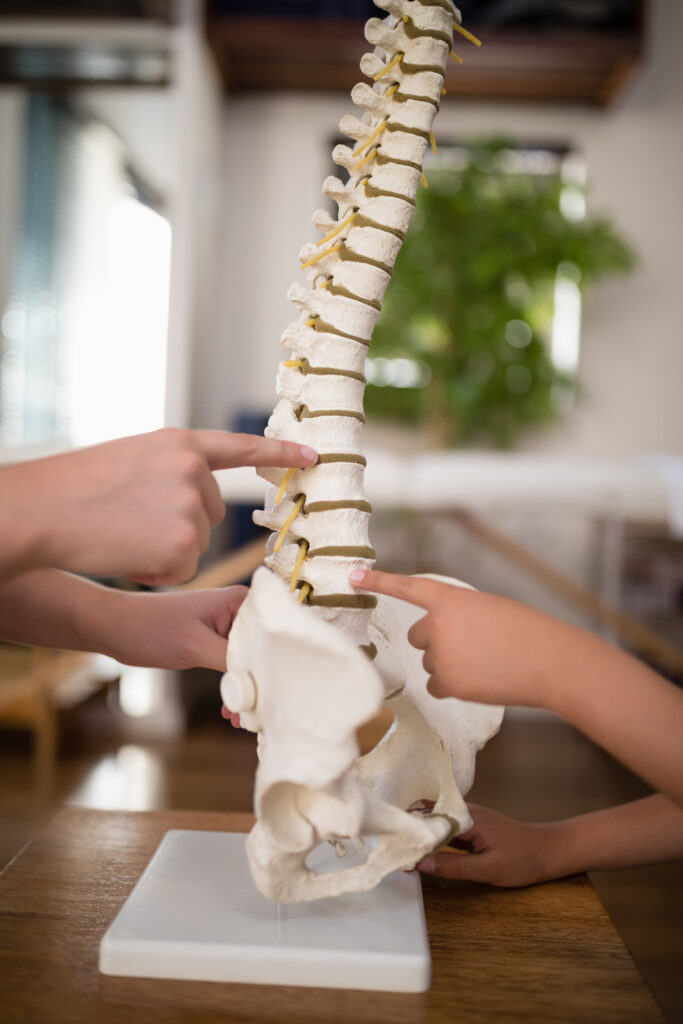
GTPS is a broad term used to describe pain around the bony point on the outside of your hip (the greater trochanter).
This area is where important hip tendons attach — particularly the gluteus medius and gluteus minimus muscles. These muscles stabilise your pelvis when you walk, stand on one leg, or climb stairs. In the past, this pain was often labelled as “bursitis.”— research now shows that most cases involve tendon irritation rather than true inflammation of the bursa.
These all sound dramatic — However, with a few simple exercises and a helping hand most patients can live pain free.
If you’re reading this while struggling to sit down or the pain is reproduced when you roll over in bed, perhaps you’re bracing yourself to take a step thinking “This Hip/leg pain is really bothering me”
— here are simple things that genuinely help.
These strategies won’t fix everything — but they can make today easier. And right now, that matters.
If you’re worried about anything or would like to speak to one of our professionals today, get in touch, we are more than happy to help.
What you can do now
Use ice or heat
Ice calms irritation; heat relaxes tight muscles. Use whichever feels better.
Move gently
Supported Single-Leg Stand
Purpose: Improve load tolerance.
How to do it:
Stand on one leg while holding a chair / sturdy object for balance.
Maintain level hips.
Hold 20–30 seconds.
Repeat 3 times.
Postural adjustments
Top three exercises to promote glute strength & GTPS prevention:
Isometric Glute Hold (Wall Press)
Purpose: Calm tendon sensitivity.
How to do it:
Stand sideways next to a wall.
Press the outside knee gently into the wall.
Hold 20–30 seconds.
Relax.
Repeat 3–4 times.
Clamshell (Heavy Resistance Band)
Purpose:
Strengthen deep hip stabilisers
Improve control of the pelvis
How to do it:
- Lie on your side
- Place a heavy resistance band around your knees
- Keep ankles together
- Lift the top knee upwards against the band
- Lower slowly
Breathing cues – Breathe out as you lift, Breathe in as you lower
Reps:
6–12 repetitions
3 sets
1 minute rest- Hip Bridge
Purpose: Improve overall hip strength.
How to do it:
Lie on your back with knees bent.
Lift hips slowly.
Lower with control.
Repeat 10 repetitions.
Self massage (after 3+ days)
Light – medium pressure held into any areas of discomfort for 1-2 minutes. This will cause some initial discomfort followed by calming effects on the muscles and pain.
Anti-inflammatories (e.g ibuprofen)
Check with your GP to see if you’re suitable for medication to help reduce swelling and pain so movement feels easier.
Important: When to not use this guide and seek medical attention
This guide is intended for common, non-specific GTPS pain. Do not continue and seek urgent medical attention if you have any of the following symptoms:
New or worsening numbness or altered sensation around the groin and saddle region.
Changes to bladder or bowel control, including difficulty starting or stopping urination, loss of control, or new constipation without a clear cause.
Progressive weakness in one or more limbs, or difficulty walking that is worsening.
Severe, unrelenting ankle pain that is not eased by rest or position and is rapidly worsening.
Ankle pain following a significant trauma (e.g. fall, accident, car crash).
Ankle pain accompanied by fever, unexplained weight loss, night sweats, or feeling generally unwell.
These symptoms may require immediate medical assessment. If you’re unsure whether your symptoms are a red flag, it’s always safer to seek advice from a qualified healthcare professional before continuing with exercises or stretches. We would love to hear from you, feel free to give us a call and ask about your symptoms before committing to a consultation.
How we treat GTPS in clinic
Everyone heals differently — but with the right plan, almost everyone improves.
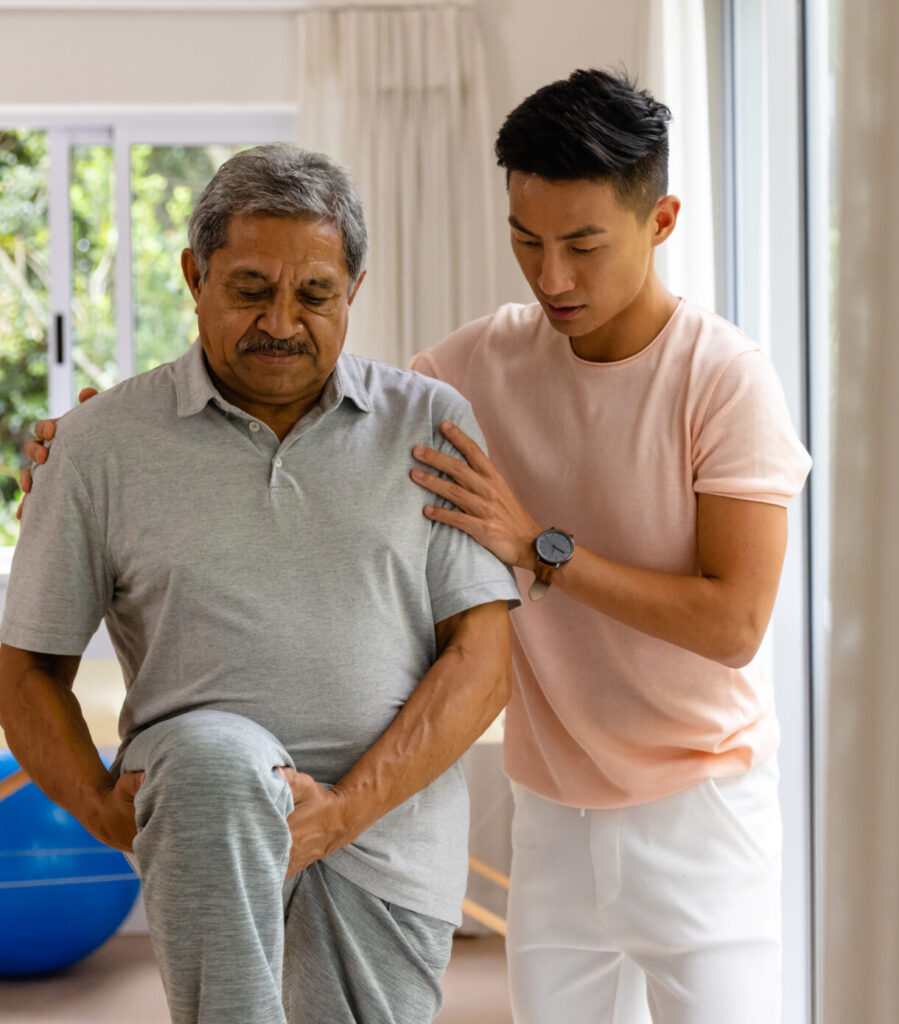
Our expert osteopaths and physiotherapists are experienced in diagnosing and treating GTPS in adults of all ages.

If you book an appointment with us, we’ll provide you with:
- Evidence-based, simple exercises that fit into your day
- Hands-on treatment to reduce stiffness, tension, and pain
- Clear explanations so you understand exactly what’s happening in your body
To top it all off, we work with a prevention mindset — we help you build GTPS-friendly habits for posture, ergonomics, and movement so pain doesn’t keep coming back.
The Formby Injury & Rehab Clinic promise
We’ll always leave you knowing the big three:
How long it should take to heal
Expert-led
We are experts in treating musculoskeletal pain & injury. It’s our bread and butter.
Goal-oriented
Rehab isn’t finished until you’re doing the things you love and feeling your best again.
Evidence-based
We provide innovative healthcare by staying up to date with the latest research.
Trackable progress
You’ll receive a progress tracker at your first appointment to help guide and track your recovery.
Get in Touch
Give us a call
01704 264 888
WhatsApp us
01704 264 888
Fill out the form below and we’ll be in touch, usually within an hour during clinic opening times. Let us know how you’d like us to contact you.
WhatsApp us
01704 264 888